Diplomatic Fallout: France Restricts US Envoy Kushner's Government Access
A significant diplomatic incident has unfolded between two historically allied nations, as France has taken the unusual step of restricting the government access of US Ambassador Charles Kushner. This measure comes in response to the ambassador's failure to appear for a formal summons by the French Foreign Ministry, following contentious remarks made by the Trump administration regarding a sensitive domestic issue in France. The event highlights the delicate balance of international relations and the critical importance of diplomatic protocol, even between long-standing friends.
The decision to limit the access of a US Ambassador, a central figure in the relationship between France and the United States, signals a serious level of displeasure from Paris. This action underscores how quickly political comments, especially when perceived as interference in a nation's internal affairs, can escalate into a diplomatic challenge affecting the critical role of a
france us ambassador.
The Catalyst: An Unanswered Summons and Unwelcome Commentary
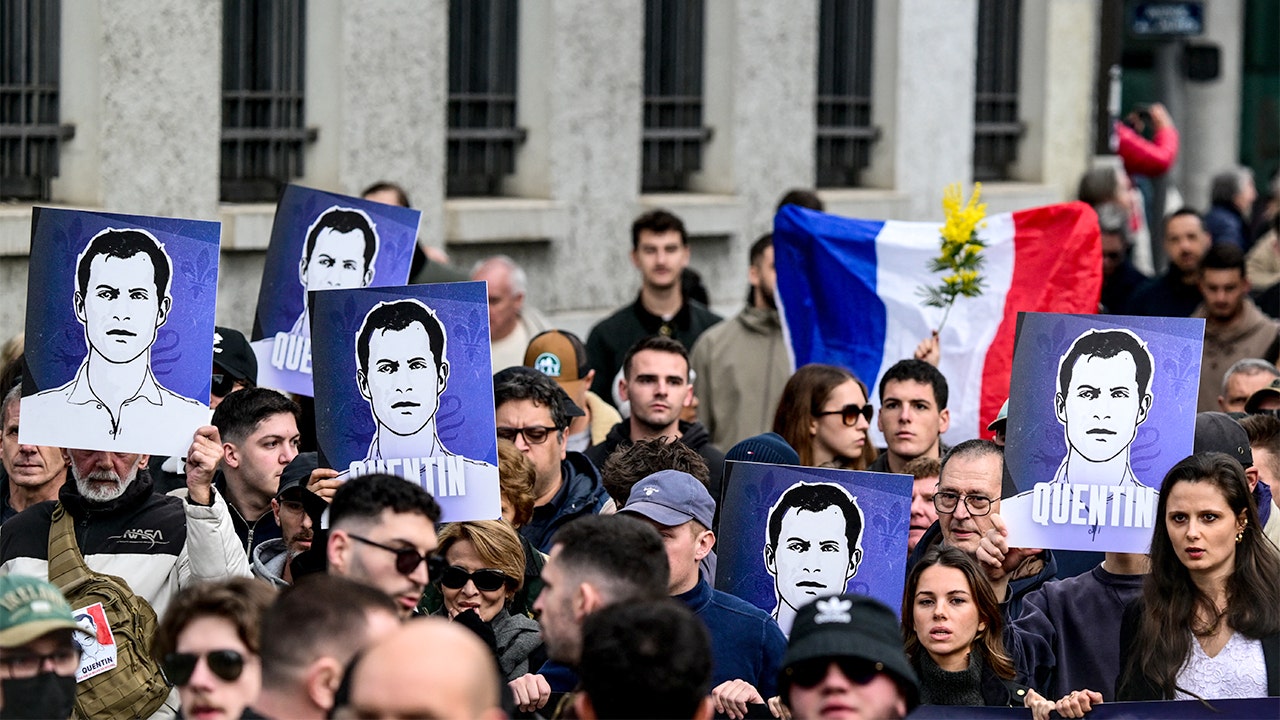
The diplomatic friction began when the French Foreign Ministry formally summoned US Ambassador Charles Kushner. The summons was prompted by comments made by the administration of US President Donald Trump concerning the death of Quentin Deranque, a far-right activist, following a violent incident in Lyon on February 14. Specifically, the US embassy in Paris had reposted comments from the Trump administration that denounced "violent radical leftism" and even "terrorism" in relation to the tragedy.
From France's perspective, these comments constituted an inappropriate intervention in its national public debate. Such remarks were seen as exploitative of a deeply sensitive domestic tragedy, and a breach of the unwritten rules of diplomatic engagement. However, the situation escalated dramatically when Ambassador Kushner "did not appear" for the scheduled meeting at the ministry. Instead, a senior official from the embassy was sent in his place, with Kushner reportedly citing personal commitments. This perceived snub was interpreted by the French authorities as a serious disregard for diplomatic courtesy and the host nation's sovereignty.
Understanding the Deranque Case and US Intervention
The death of Quentin Deranque, 23, resulted from head injuries sustained during clashes between far-right and hard-left supporters. These confrontations occurred on the periphery of a demonstration against a politician from the left-wing France Unbowed (LFI) party in Lyon. French authorities have since launched an investigation, with six men suspected of involvement in the fatal assault handed preliminary charges, and a parliamentary assistant to an LFI lawmaker charged with complicity.
The US administration's swift and strong condemnation, particularly remarks by Sarah Rogers, the US State Department undersecretary for public diplomacy, who asserted that Deranque's killing showed "why we treat political violence – terrorism – so harshly," struck a particularly discordant note in France. For Paris, these statements, amplified by the embassy, not only prejudged an ongoing investigation but also framed a complex domestic incident through a highly politicized lens that France explicitly rejected as external exploitation. The French government insists that such tragedies concern only their national public debate and should not be leveraged by foreign powers.
France's Diplomatic Retaliation: Restricted Access
In light of Ambassador Kushner's non-appearance and the preceding controversial comments, French Foreign Minister Jean-Noël Barrot took decisive action. He formally requested that Ambassador Charles Kushner no longer be granted direct access to members of the French government. This directive significantly curtails the ambassador's ability to directly engage with cabinet ministers, a crucial component of an envoy's duties.
The ministry's statement underscored their reasoning, citing Kushner's "apparent failure to grasp the basic requirements of the ambassadorial mission and the honour of representing one's country." While Kushner would still be permitted to continue his diplomatic duties and have certain "exchanges" with officials, the removal of direct ministerial access is a potent symbol of disapproval. This move by France is a clear indication that it views the ambassador's actions, and the broader US posture, as a breach of trust and diplomatic decorum. It sends a strong message that disregarding a formal summons and commenting on sensitive domestic affairs carries tangible consequences. The incident underscores the sensitive role of any
france us ambassador in maintaining respectful international dialogue.
The Role of a France US Ambassador: Beyond Protocol
An ambassador serves as the chief diplomatic representative of their country to another, embodying the government's official stance and fostering bilateral relations. Their role is multifaceted: facilitating communication, negotiating agreements, protecting their citizens' interests, and reporting back to their home government. Direct access to host government ministers is paramount for effective diplomacy. It allows for high-level discussions, the resolution of disputes, and the building of personal relationships that often lubricate the wheels of international cooperation.
Skipping a formal summons from the host nation's foreign ministry is considered a serious breach of diplomatic protocol. It can be interpreted as a sign of disrespect, a dismissal of the host government's concerns, and a failure to uphold the fundamental duties of an ambassador. Such an action can impede the ambassador's ability to perform their duties effectively, as trust and access are eroded, ultimately harming the bilateral relationship they are meant to nurture.
Navigating the Fallout: Paths to Reconciliation
Despite the severity of the French response, the Foreign Ministry left a diplomatic door open for de-escalation. Their statement noted, "It remains, of course, possible for Ambassador Charles Kushner to carry out his duties and present himself at the Quai d’Orsay, so that we may hold the diplomatic discussions needed to smooth over the irritants that can inevitably arise in a friendship spanning 250 years." This offer indicates France's desire to resolve the issue through dialogue, rather than allowing it to fester and potentially damage the broader strategic alliance with the United States.
Reconciliation would likely involve a formal meeting between Ambassador Kushner and the French Foreign Minister, where the ambassador could offer clarification, or an apology for the perceived slight. Such a meeting would be an opportunity to reaffirm respect for French sovereignty and diplomatic norms, paving the way for the restoration of full access. Given the deep historical ties and shared interests between France and the US, both nations have a strong incentive to mend this rift and prevent it from undermining their long-standing alliance.
Lessons from Diplomatic Spats: Maintaining International Relations
This incident offers valuable insights into the complexities of international relations and the imperative of diplomatic nuance:
* **Respecting Sovereignty:** Nations are highly sensitive to perceived interference in their internal affairs. Comments on domestic political events, especially those involving social unrest or judicial processes, should be approached with extreme caution and respect for national sovereignty.
* **Adherence to Protocol:** Diplomatic protocols are not mere formalities; they are the structured pathways for respectful communication and conflict resolution between nations. Breaching these protocols can lead to significant repercussions and hinder an ambassador's effectiveness.
* **Clear Communication and Tone:** The tone and wording of official statements, particularly from embassies, are scrutinized closely. What might be intended as an expression of concern can be interpreted as condemnation or interference, especially when dealing with emotionally charged issues.
* **Understanding Domestic Sensitivities:** A thorough understanding of a host country's political landscape, cultural nuances, and historical context is essential for any diplomatic mission. Ignoring these sensitivities can inadvertently ignite disputes.
* **Prioritizing Long-Term Relationships:** Even in moments of disagreement, prioritizing the long-term strategic relationship is crucial. Leaving channels open for dialogue and seeking mutual understanding can help de-escalate tensions and rebuild trust.
The incident involving the US Ambassador to France serves as a potent reminder that even the strongest alliances are built on foundations of mutual respect, adherence to diplomatic norms, and sensitivity to each other's domestic concerns. The decision by France to curtail access for the US Ambassador Charles Kushner underscores the serious nature of the perceived diplomatic affront. While the door remains open for resolution, the episode highlights the delicate balance inherent in international relations and the enduring importance of diplomacy conducted with care and protocol. Moving forward, the relationship between France and the US will hinge on how effectively both sides navigate this challenge, reaffirming their enduring friendship while upholding each nation's sovereignty and diplomatic dignity.